





BEATING THE SYSTEM thru The Power of Emotional Equity: Beiber's Nostalgia Play at Coachella Validates This CEO's Forbes Forecast About 80's Audiences

When Justin Bieber stepped onto the Coachella stage, fans didn’t just watch—they walked in their own nostalgia. This was the "Beliebers" 1st experience with a nearly 20 year Anniversary of their favorite artist. He hit the scene in 2007 and his fans were recognizing that they have all grown older together. He and his fans realizing how much life has been lived in the near 20 years together.

This is what I’ve long described as emotional equity—one of the most powerful, and often overlooked, assets in the business of music.
In my Forbes Business Council article, “Lessons From The Business Of Rock: Modernizing A Legacy Brand,”by Kristi Adair-Pearcy, I shared a belief that continues to prove itself: the true value of a music brand isn’t just its catalog—it’s the emotional imprint that catalog leaves on a generation.
Bieber’s Coachella moment embodied that idea perfectly.
At its core, emotional equity is created when music becomes more than something we hear—it becomes part of who we are. Songs don’t just play; they mark time. They attach themselves to first loves, late nights, friendships, and the moments that shape us.
When Bieber revisited the songs that introduced him to the world, he wasn’t simply performing familiar hits. He was offering something far more personal—an invitation for fans to reconnect with earlier versions of themselves.
As I’ve written before:
“I can’t tell you how emotional fans are about the rock stars who played the soundtrack to their lives. That’s emotional equity. It’s the longing that a fan base has carried as life moves from high school to marriage to raising children.”

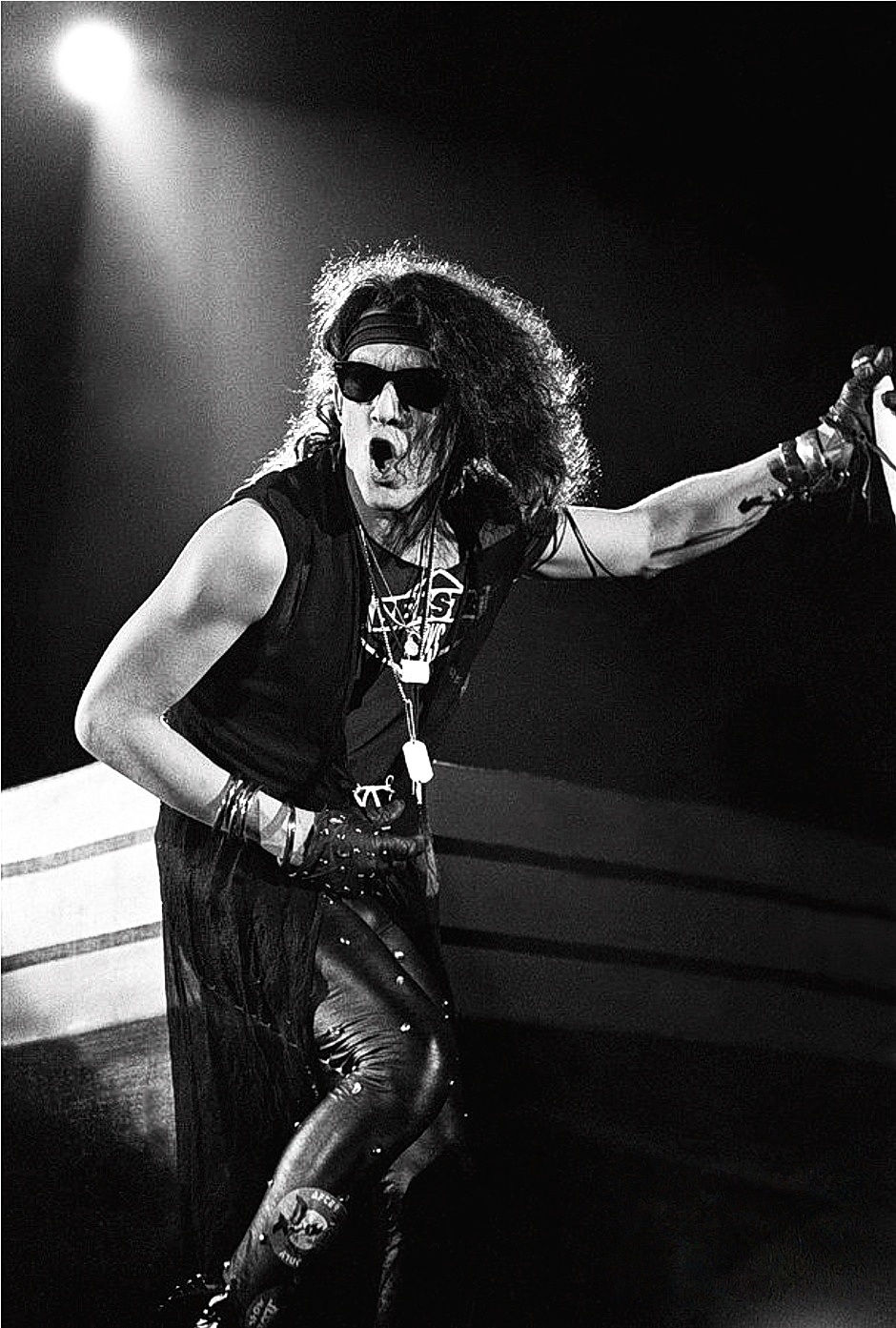
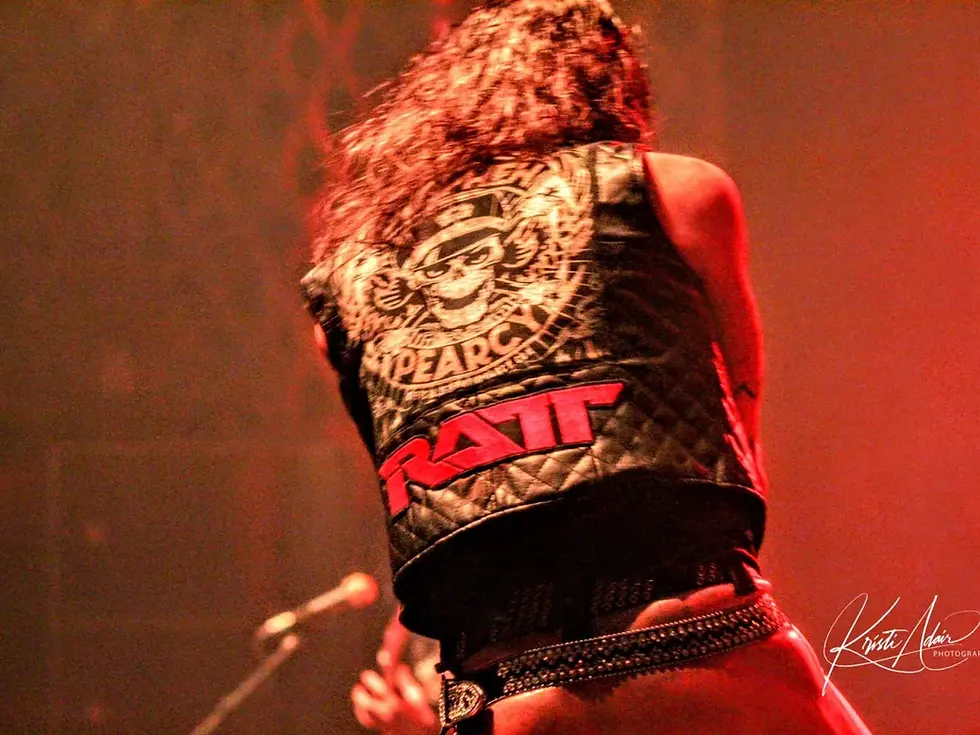
This perspective has been shaped by my own experience working alongside Stephen Pearcy and witnessing, firsthand, the connection between artist and audience. Across cities and generations, I’ve met fans who share deeply personal stories about what his music has meant to them—how it became the soundtrack to some of the most meaningful years of their lives.

What we saw at Coachella wasn’t just about Bieber. It was about memory. Fans weren’t reacting only to the artist in front of them—they were responding to who they were when they first heard him.
That’s why moments like these often resonate more deeply than even the most elaborate productions. The experience becomes personal, unique to each individual in the audience. It’s not about spectacle—it’s about reflection. A return to 2007, 2008, 2009… a mirror held up to the journey of their own lives.
I see that same connection at every Stephen Pearcy show. There’s a shared thread that runs through the crowd—a collective recognition of something that can’t be manufactured. It simply exists. The immediate pull back to 1985, 86, 87....There's nothing like it!!! Its Magic!
Music fans will travel, invest, and show up again and again—not just for the performance, but for the feeling. The chance to reconnect with a time, a version of themselves, that still lives within the music.
What happened at Coachella wasn’t accidental. It was a natural alignment between artist instinct and audience emotion. Bieber’s fan base is approaching its 20-year milestone, while Stephen Pearcy’s spans over 40 years—but the emotional connection is remarkably similar. Time may differ, but the depth of feeling does not.

Music doesn’t age—but we do.
And when the right song plays, it has the power to bring us back—not just to a moment, but to ourselves.
That’s the beauty of emotional equity. It’s enduring, it’s deeply human, and it’s something only an artist can truly deliver—directly to the people who have carried that music with them all along.
Its the 1 thing that is direct from Artist to Fan. Pure Magic!

Thought-provoking perspective. Whether people agree or disagree, it's always valuable to read different viewpoints and reflect on them. I also like keeping interviews, notes, and printed materials organized with erase handwritten notes before archiving them digitally.
Mình có lần lướt đọc mấy trao đổi trên mạng شيخ روحاني thì thấy nhắc nên cũng tò mò mở ra xem thử cho biết. Mình không tìm hiểu sâu جلب الحبيب chỉ xem qua trong thời gian ngắn để quan sát bố cục جلب الحبيب cách sắp xếp شيخ روحاني các mục và trình bày nội شيخ روحاني dung tổng thể. Cảm giác là các phần được trình bày khá gọn, các Berlinintim mục rõ ràng nên đọc lướt cũng không bị rối Berlinintim với mình như شيخ روحاني vậy là đủ để nắm tin cơ bản rồi. جلب الحبيب
👍
Interesting perspective on how emotions and memories influence audience connections. The article highlights an important point about the power of nostalgia and authentic storytelling in building lasting relationships. I recently read a related discussion on https://gocollectiv.com/ that also explored the role of emotional connection in creative work.
Really enjoyed this take. Nostalgia is powerful because fans aren't just remembering a song — they're remembering who they were when they first heard it.
It also shows why an artist's story matters so much. Having a place with their bio, photos, music links and career highlights (like an EPK) helps new fans understand the journey behind the music.
Great content! I appreciate how you broke down the information about the constancia de situación fiscal into simple and understandable sections. Articles like this are valuable because they help readers avoid confusion and better understand official requirements. Thank you for providing such practical and well-structured information.